
Australian Gynaecological Cancer Foundation
Australia
An organisation that focuses on funding laboratory research into all 8 gynae cancers: vulval, cervical, vaginal, uterine/endometrial, ovarian, fallopian tubal, primary peritoneal, and placental
Many women carry unanswered questions, quiet worries, or long-standing symptoms. This page brings together evidence-based resources, books, podcasts, blogs, research, and expert voices to make sexual health information accessible, trustworthy, and grounded in real women's experiences.
Whether you're exploring changes across the lifespan, seeking support for pain or discomfort, wanting to understand your body more deeply, or simply looking for reliable information, this space is designed to meet you where you are. Sexual wellness is not a luxury. It's part of health, identity, connection, and confidence. This page exists to support women with the information they deserve, without overwhelm, without judgement, and without medical jargon that gets in the way of understanding.

Sexual health is health. Yet it remains one of the most under-discussed parts of a woman’s wellbeing, spoken about in whispers, if it is spoken about at all. Too many women carry questions about their bodies alone: about pain, about pleasure, about what is normal and what is not. They wonder whether their experience belongs only to them. It rarely does. Whether the topic is HPV-related cancers, low libido, lubricants and dilators, or the basic anatomy nobody ever named for them, the absence of clear and honest information leaves women guessing. In matters of health, guessing costs us.
This page exists to change that. The conditions and questions gathered here are common, treatable, and worth talking about out loud. Shame feeds on silence, and silence is the real harm, not the bodies, not the questions, not the desire to feel well and whole. When we use the actual words, vulva, pain, pleasure, we take the charge out of them. We make room for women to understand what is happening, ask for what they need, and find their next step. Honest information is how we close the gap between suffering quietly and living fully.
So I want you to read on. Explore the topics that speak to your experience, and the ones you were never given permission to ask about. This information belongs to everyone who loves and cares for you, so talk about what you learn with your daughters and sons, your partner, and your friends. I want you to know that you are not broken, and you do not have to suffer in silence. Your sexual health is a vital part of your whole health, and you deserve clear answers and real care for every part of it.
Say it out loud,
Kristen Parise BSc, MSc, BHSc PT
Pelvic Health Physiotherapist
Founder, Blueberry Therapy Pelvic Health & Pediatrics
Assistant Clinical Professor, McMaster University
Host, The Hole Shebang Podcast
Creator, The Pleasure Principle Conference
www.blueberrytherapy.ca
Anal cancer is a rare cancer that develops in the anus, the opening where faeces leaves the body at the end of the lower gastrointestinal tract.
Cervical cancer develops when abnormal cells grow in the lining of the cervix. The cervix connects the uterus to the vagina and plays key roles in vaginal health, supporting fertilisation, and maintaining pregnancy until birth.
Ovarian cancer is a type of carcinoma in which one or more tumours form in the ovaries. The ovaries are two small, walnut shaped organs that release eggs during the female reproductive cycle. Ovarian cancers are generally grouped into three main types based on the cells they arise from: epithelial, germ cell, or stromal cell.
Uterine cancer is a cancer that develops in the tissues of the uterus. Most cases begin in the lining of the uterus and are called endometrial cancer, while a much rarer form, uterine sarcoma, starts in the muscle or supporting structures of the uterus.
Fallopian tube cancer is a rare type of gynaecological cancer that develops in the cells lining the fallopian tubes, the narrow structures that connect the ovaries to the uterus and carry the egg during ovulation. Most fallopian tube cancers are adenocarcinomas, arising from the glandular cells inside the tube.
Because these symptoms overlap with many other conditions, it’s important for anyone experiencing them to consult a qualified healthcare professional for assessment.
Pain occurring during or immediately after an orgasm.
The discomfort can range from a dull ache to intense cramping or burning, often felt in the lower abdomen, pelvic region, or genitals.
Women may experience:
Because dyspareunia can have many causes, including pelvic floor dysfunction, vaginismus, vaginal atrophy, infections, endometriosis, trauma, or hormonal changes, it’s important for anyone experiencing these symptoms to speak with a qualified healthcare professional for assessment and support.
Women may experience one or more of the following:
Polycystic Ovary Syndrome (PCOS), now renamed Polyendocrine Metabolic Ovarian Syndrome (PMOS), is a common hormonal condition affecting around 10–13% of women of reproductive age. It involves higher‑than‑normal androgen and insulin levels, which can lead to irregular or absent periods, acne or oily skin, excess facial/body hair, difficulty conceiving, and metabolic challenges such as insulin resistance and increased long‑term risk of type 2 diabetes. Many people with PCOS/PMOS remain undiagnosed, and symptoms can vary widely from person to person. Symptoms can be managed through lifestyle support, medications, and emotional wellbeing strategies.
PMDD is a condition marked by extreme sensitivity to the normal hormonal shifts after ovulation.
Organisations that specialise in Sexual health and wellness
An organisation that focuses on funding laboratory research into all 8 gynae cancers: vulval, cervical, vaginal, uterine/endometrial, ovarian, fallopian tubal, primary peritoneal, and placental

Centre for Sexuality normalizes sexuality and sexual health in Alberta and across Canada by providing evidence-informed, non-judgmental sexual health programs and services. Our work is community-based, prevention-focused, and nationally recognized.
The world's first professional society devoted to prevention and treatment of AIN and anal cancer. Working in close partnership with the Anal Cancer Foundation and other foundations, IANS will promote awareness of HPV, anal cancer and AIN among clinicians and scientists world-wide, advise other professional societies, advocate research and education to governmental agencies, establish a website as an educational resource, conduct scientific meetings, conduct training, and serve as a forum to heighten awareness of anal cancer and exchange of ideas.
Our purpose is to redefine cancer support so that nobody feels alone with their diagnosis.

Welcome to Daisy Network. We are here for every woman navigating Premature Ovarian Insufficiency (POI). Daisy Network is the UK's only charity dedicated solely to POI. We provide trusted medical guidance, psychological support and a safe, understanding community. Whether you're newly diagnosed or seeking long-term support, you're not alone.
A UK registered charity, dedicated to supporting individuals with Premenstrual Dysphoric Disorder (PMDD). We strive to raise awareness, provide support, and fund research into PMDD, with the ultimate goal of improving the lives of individuals affected by this debilitating condition.

Since 1995 we've made a real impact. Our investment in research, training and education programmes has led to significant breakthroughs in our understanding of urology disease and improvements in the delivery of care.

The Counterpart Navigator app is your stepping stone to finding good quality, current information on a range of cancer-related topics from reputable sources.
Recommended resources for your health journey




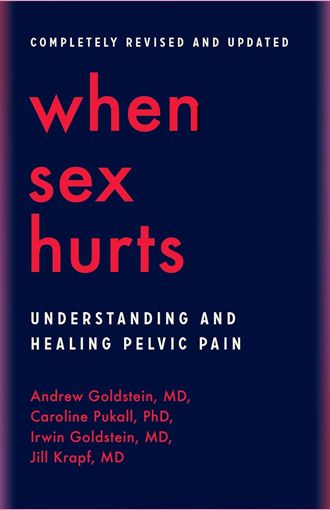
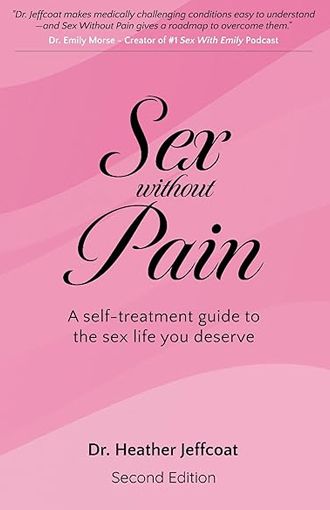
Recommended resources for your health journey















Each month, we share evidence-based resources, personal stories, and multidisciplinary insights to support your health journey without shame, without stigma.