Breaking the silence on vulvar health and vulvar cancer
Despite being a visible and vital part of the female body the Vulva remains surrounded by stigma and silence. Many women have never been taught the word, let alone how to recognise changes, symptoms or warning signs that something may be wrong.
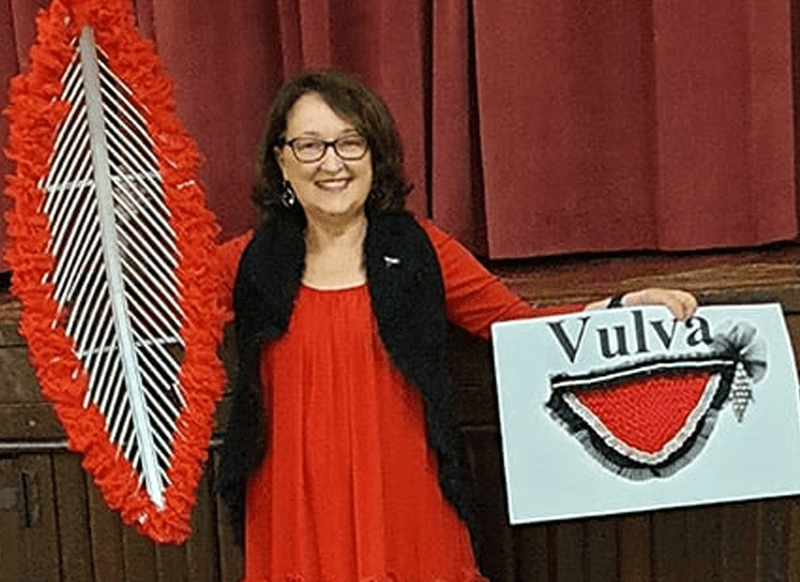
I know this firsthand. More than 30 years ago I was diagnosed with Vulva cancer. At that time there was little public education, limited awareness among women, and almost no open conversation. Today, while medicine has advanced, the silence too often remains, and that silence can delay diagnosis, treatment and healing.
Vulva cancer is described as “rare” but in reality, it’s rarely talked about. Persisting itching, lichen sclerosus, skin changes, lumps, ulcers or burning are frequently dismissed, normalised or quietly endured. Some women are told it’s “just aging”, “just hormones”, or “just a skin condition”. Others feel embarrassed to raise concerns at all.
As the founder of International Gynaecological Awareness Day (IGAD), this day exists for one powerful reason, to shine a light on the gynaecological health issues that remain hidden, misunderstood or ignored. Vulva health is one of them.
IGAD matters and reminds us that;
- Knowing your body is not shameful
- Talking about gynaecological health is not taboo
- Early detection saves lives
- Women deserve accurate language, respectful care, and to be believed.
Vulva health is not only about cancer, but also about dignity, sexuality, pelvic health, mental wellbeing, and the right to understand and advocate for our own bodies.
Platforms like Women’s Health Pathway play a critical role in changing outcomes bringing together evidence-based resources and real stories and creating space where care is not just clinical but deeply human.
My message to women is simple:
- Know your vulva
- Look feel and notice changes
- Trust your instincts
- Ask for referrals if symptoms persist
- And never feel embarrassed advocating for your body
When we name the Vulva we legitimise it. When we talk openly, we break the stigma. When we share our lived experience with others symptoms can be recognised earlier, enabling them to seek help sooner. Education saves lives. Conversations save lives.
Let’s keep this important conversation going, for ourselves, for each other and for the women who came before us and whose voices were never heard.
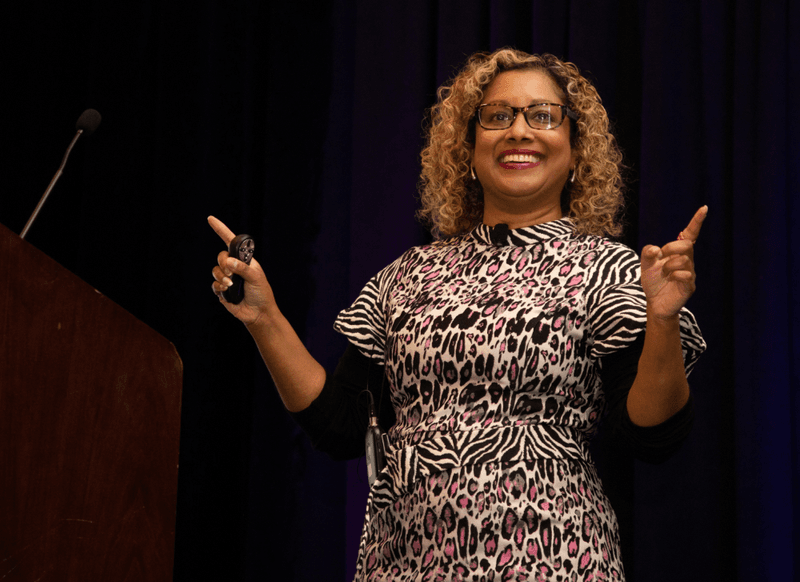
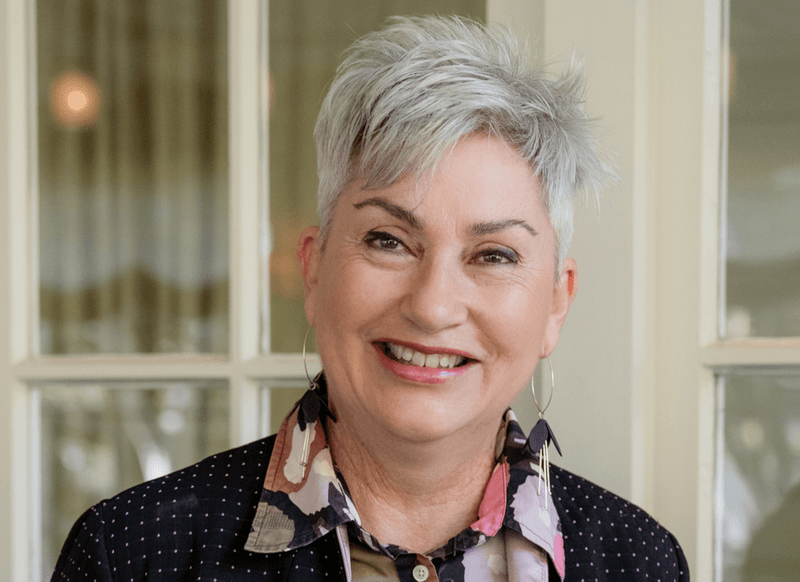
Kath Mazzella OAM
Vulva cancer survivor & women’s health advocate, IGAD founder
igad.kathmazzella.com