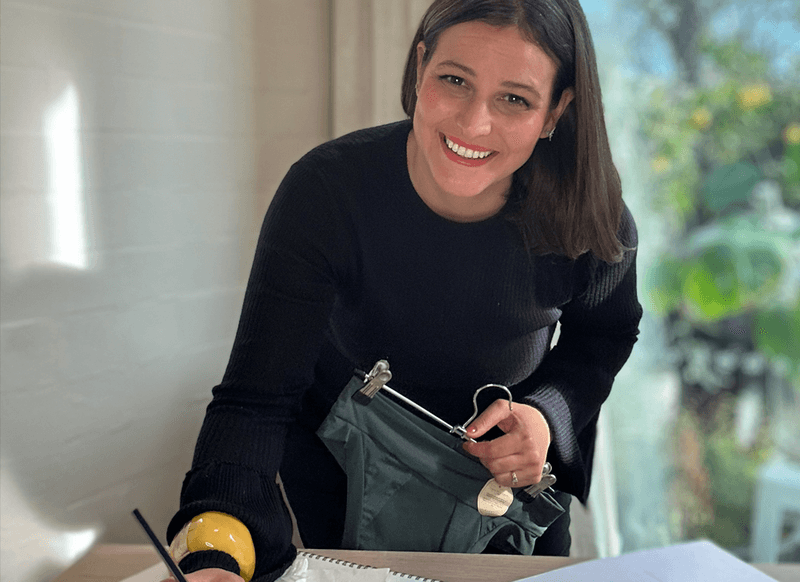
I didn’t set out to build a brand for women over 50. In fact, prior to launching, they weren’t the customer I thought I was designing for.
When Wicks launched, I expected our customers to be women looking for an elevated take on period underwear. Instead, from day one, the women who connected most strongly with the brand were in their forties, fifties, sixties and much beyond. They are women who need functionality in their underwear for light bladder leaks, but have been left feeling infantalised by what’s on offer – namely either period underwear designed for teenaged bodies, or products that yes, are designed for LBL, but with uninspiring designs that don’t reflect their vibrant, sophisticated selves.
Very early on we knew we’d uncovered something much bigger than a new product. We’d uncovered a demographic that has been largely overlooked.
Around one in three women experience urinary incontinence during their lifetime, yet it remains one of the least talked about areas of women’s health. While absorbent underwear has become increasingly mainstream over the past decade, much of the category is still designed and marketed around menstruation. For women navigating light bladder leaks after childbirth, during perimenopause or following menopause, there are surprisingly few products that feel like they were created with a mature woman in mind.
The more women I spoke with, the more their stories echoed one another.
Some told me they packed spare underwear whenever they left the house. Others had quietly stopped wearing light-coloured trousers or dresses. Many were wearing disposable pads and liners every day, horrified at the amount of waste they were creating, but without a real alternative. Several admitted they thought carefully about where the nearest bathroom would be before agreeing to go for a long walk or meet friends for coffee. Most had simply accepted that this was part of getting older.
What struck me most wasn’t that these women wanted more absorbency. It was that they wanted more dignity.
They wanted underwear that looked beautiful. They wanted fabrics that felt soft against their skin. They wanted products that reflected who they were, rather than constantly reminding them they were managing a health issue. Those early conversations completely changed the direction of Wicks.
Instead of asking how we could make absorbent underwear more functional, we began asking a different question: how could we make women feel like themselves again? That shift influenced every decision we made, from the choice of premium fabrics to the fit, comfort and aesthetic of new styles.
Building Wicks has reinforced something I believe is true across women’s health: some of the biggest opportunities for innovation exist in the areas women have been quietly managing on their own for years.
It’s common knowledge that women’s health has historically been under-researched, underfunded and, too often, overlooked. Yet women have always understood their own experiences. Once those experiences are shared openly, patterns begin to emerge, unmet needs become impossible to ignore and meaningful innovation can follow.
Looking back, I don’t think customer feedback refined Wicks so much as completely redirected it. It changed my understanding of who needed our products and gave the business a much clearer sense of purpose.
As Australia’s population continues to age, the number of women experiencing light bladder leaks will continue to grow. They deserve products that acknowledge this stage of life with the same care, quality and respect that other areas of women’s health are increasingly receiving.
The real turning point wasn’t launching Wicks. It was listening to the women who bought it. They showed me there was an overlooked need hiding in plain sight. I just had to listen.