Vaginal and Vulva health

Vulva and vaginal health is a vital part of every woman's wellbeing, yet it's often an area wrapped in silence, uncertainty, or unnecessary shame.

This curated page brings together clear, evidence-based information to help you understand your body, recognise what's normal for you, and feel confident seeking support or advice when something doesn't feel right.

You will find a thoughtfully curated collection of podcasts, books, blogs, and amazing support organisations to deepen your learning and connect you with trusted resources and help. Whether you're exploring changes, managing symptoms, or simply wanting to know your body better, this space offers gentle reassurance because your vulva and vagina deserve care and attention at every stage of life.

Help with continence

Vaginal and vulva health Overview

Introduction

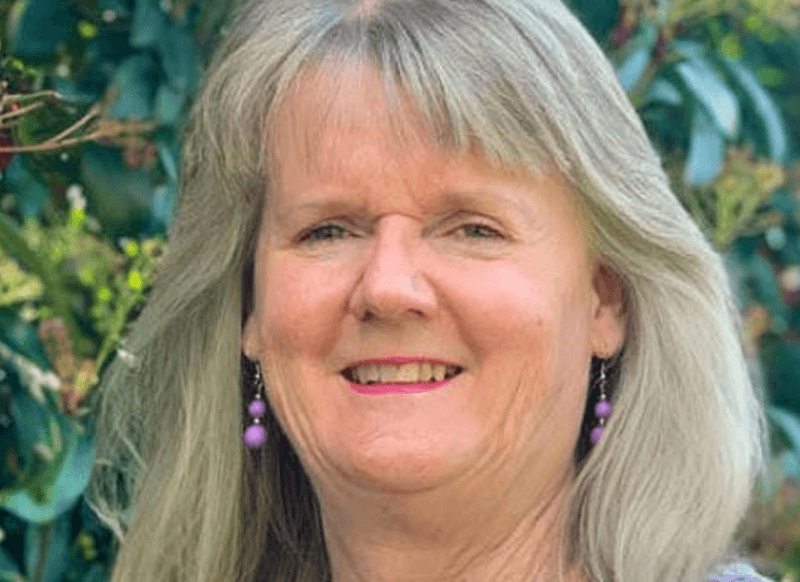
By Kath Mazzella OAM, Vulva cancer survivor

Breaking the silence on vulvar health and vulvar cancer

Despite being a visible and vital part of the female body the Vulva remains surrounded by stigma and silence. Many women have never been taught the word, let alone how to recognise changes, symptoms or warning signs that something may be wrong.

I know this firsthand. More than 30 years ago I was diagnosed with Vulva cancer. At that time there was little public education, limited awareness among women, and almost no open conversation. Today, while medicine has advanced, the silence too often remains, and that silence can delay diagnosis, treatment and healing.

Vulva cancer is described as “rare” but in reality, it’s rarely talked about. Persisting itching, lichen sclerosus, skin changes, lumps, ulcers or burning are frequently dismissed, normalised or quietly endured. Some women are told it’s “just aging”, “just hormones”, or “just a skin condition”. Others feel embarrassed to raise concerns at all.

As the founder of International Gynaecological Awareness Day (IGAD), this day exists for one powerful reason, to shine a light on the gynaecological health issues that remain hidden, misunderstood or ignored. Vulva health is one of them.

IGAD matters and reminds us that;

  • Knowing your body is not shameful
  • Talking about gynaecological health is not taboo
  • Early detection saves lives
  • Women deserve accurate language, respectful care, and to be believed.

Vulva health is not only about cancer, but also about dignity, sexuality, pelvic health, mental wellbeing, and the right to understand and advocate for our own bodies.

Platforms like Women’s Health Pathway play a critical role in changing outcomes bringing together evidence-based resources and real stories and creating space where care is not just clinical but deeply human.

My message to women is simple:

  • Know your vulva
  • Look feel and notice changes
  • Trust your instincts
  • Ask for referrals if symptoms persist
  • And never feel embarrassed advocating for your body

When we name the Vulva we legitimise it. When we talk openly, we break the stigma. When we share our lived experience with others symptoms can be recognised earlier, enabling them to seek help sooner. Education saves lives. Conversations save lives.

Let’s keep this important conversation going, for ourselves, for each other and for the women who came before us and whose voices were never heard.

Kath Mazzella OAM

Vulva cancer survivor & women’s health advocate, IGAD founder igad.kathmazzella.com

Bacterial Vaginosis (BV)

Caused by imbalance in vaginal bacteria.

Symptoms

  • Fishy odour and watery discharge.

Bartholin’s cysts/abscesses

Blockage or infection of the Bartholin’s glands near the vaginal opening, leading to swelling, pain, or pus collection.

Eczema and Psoriasis

Skin conditions that can affect the vulva, causing redness, itching, scaling, or irritation.

Genital Warts (HPV-related)

Small growths around the vulva or vagina caused by human papillomavirus.

Genitourinary Syndrome of Menopause

(GSM) is the modern medical term that combines what used to be called vulvovaginal atrophy and atrophic vaginitis. It describes the collection of symptoms that occur when estrogen levels drop after menopause, leading to changes in the vagina, vulva, bladder, and urinary tract.

Lichen Planus

An inflammatory condition that can affect the vulva and vagina, causing erosions, sores, or white streaks.

Symptoms

  • Itching and burning – persistent discomfort in the vulva or vagina
  • Painful sores or erosions – red, raw, or ulcerated areas that may bleed easily
  • White streaks or lacy lesions – often seen on the vulva or at the vaginal opening
  • Reddish-brown patches – discoloration on the inner vulva
  • Painful sex (dyspareunia) – due to erosions, scarring, or narrowing of the vaginal opening
  • Discharge – sometimes yellowish, oozing, or mixed with skin cells
  • Scarring and adhesions – labia minora may flatten, clitoris can become buried, vaginal sides may fuse
  • Bleeding after sex or exams – fragile tissue that tears easily
  • Urinary stinging – pain or burning when passing urine if lesions are near the urethra.

Lichen Sclerosus

A chronic skin disorder that causes white, thin, crinkled patches around the vulva and anus.

Symptoms

  • Itching – persistent and often severe, especially around the vulva or anus
  • Skin changes – white, pale, or blotchy patches; skin may look thin, wrinkled, or crinkly
  • Fragile skin – prone to tearing, bruising, or bleeding even with minor friction
  • Pain or burning – soreness, stinging, or discomfort in affected areas
  • Scarring and structural changes – labia minora may flatten, clitoris can become buried under its hood, and the vaginal opening may shrink
  • Painful sex (dyspareunia) – due to scarring, narrowing, or fragile tissue
  • Skin splitting or ulcers – from scratching or friction, sometimes leading to secondary infections

  • Urinary or anal symptoms – narrowing of the urethra (causing difficulty passing urine) or anal pain/bleeding.

Sexually Transmitted Infections (STIs)

Chlamydia, gonorrhoea, trichomonas, herpes, and HPV can all affect vaginal health.

Vaginal Cancer

  • Primary vaginal cancer, which starts in the vagina
  • Secondary vaginal cancer, which spreads to the vagina from other parts of the body (usually the cervix).

Vaginal Thrush

Thrush is a condition that occurs when the yeast Candida albicans grow excessively. This yeast is normally present in the bowel and in small amounts within the vagina, where it usually causes no problems.

Symptoms

  • Itching or burning around the vulva and vagina
  • Thick, white discharge often clumpy, and odorless.
  • Pain or discomfort during sex (dyspareunia)
  • Stinging or burning when urinating
  • Redness, swelling, or soreness of the vulva and vaginal tissues.
  • Splits or cracks in vulval skin

Vaginitis

General inflammation of the vagina, often linked to infections, irritants, or hormonal changes.

Vaginismus

Vaginismus happens when the muscles around the vagina tighten on their own, making it difficult or painful to insert anything.

Symptoms:

  • Painful sex (dyspareunia) or inability to have penetrative sex
  • Burning or stinging sensation when inserting a tampon or during exams
  • Fear or anxiety around penetration
  • Involuntary muscle spasms that can’t be consciously stopped.

Vulva Cancer

Symptoms can be subtle at first and are often mistaken for common skin conditions. It’s important to pay attention to changes that persist or feel unusual for you. These may include:

  • Persistent itching, burning, or soreness
  • A lump, bump, or thickened patch of skin
  • Changes in colour or texture of the vulvar skin
  • A sore, ulcer, or area that doesn’t heal
  • Pain during sex or when urinating
  • Bleeding or discharge not related to your menstrual cycle

These symptoms don’t automatically mean cancer, but they do deserve attention. If something feels different, uncomfortable, or persistent, seeking medical advice is advised.

Vulvar Varicosities

Vulvar varicosities are enlarged veins that appear on the vulva, most commonly during pregnancy. They can look swollen or bulging and may cause aching, pressure, or discomfort especially after standing for long periods.

Common symptoms

  • A feeling of heaviness or fullness in the vulva
  • Visible swollen or twisted veins
  • Aching or throbbing discomfort
  • Symptoms that worsen after standing, lifting, or at the end of the day

Most vulvar varicosities are temporary and resolve after childbirth. However, if symptoms are severe, interfere with daily life, or you’re unsure what you’re experiencing, a healthcare provider can offer reassurance and guidance.

Vulvodynia

Chronic vulval pain, burning, or discomfort without a clear cause. It can be persistent or provoked by touch.

Symptoms

  • Pain in the vulva, lasting at least 3 months without a clear cause
  • Burning or stinging sensations, rawness or irritation
  • Sharp, sudden intense pain that may flare with pressure or penetration
  • Soreness and aching, ongoing discomfort that can make sitting or wearing tight clothing difficult
  • Swelling or throbbing feelings
  • Pain during sex (dyspareunia) especially with penetration
  • Difficulty using tampons or undergoing pelvic exams.

Vaginal vulval health Support organisations

Organisations that specialise in vaginal and vulval health

International Society for the Study of Vulvovaginal Disease (ISSVD)

United States

A global, multidisciplinary nonprofit scientific society dedicated to advancing the understanding, diagnosis, and treatment of vulvar and vulvovaginal conditions.

Lichen Sclerosus Guide

United Kingdom

Empowering everyone with vulval lichen sclerosus (LS) to learn about the condition, access the right treatment and live more comfortably.

Lichen Sclerosus & Vulval cancer UK Awareness

United Kingdom

This website has been created to help sufferers of Lichen Sclerosus and those who believe they may have it. We are also hoping this website will help us to raise awareness for this condition.

The Vulval Pain Society (VPS)

United Kingdom

A confidential service for people living with vestibulodynia (previously known as vulval vestibulitis), vulvodynia or other vulval pain conditions. The Society was set up in 1996 by a doctor and a nursing sister. The VPS is not externally funded or attached to any health service organisation.

The British Society for the Study of Vulval Disease

United Kingdom

We are a true multidisciplinary society largely made up from the specialties of gynaecology, dermatology, genito-urinary medicine and pathology. Our membership consists of doctors and nurses and we work closely with allied health professionals aligned to vulval disease.

Thrush Support

United Kingdom

I set up Thrush Support website so that no woman has to go through what I have been through. A severe thrush infection left me with neurological damage in my vulvar vestibule, which took just under 2 years to diagnose.

The Labia Library

Australia

The Labia Library is an initiative of Women's Health Victoria (WHV), an independent, feminist, not-for-profit women's health promotion, advocacy and support service with a proud history of more than 30 years.

British Association for Dermatologists

United Kingdom

These patient information leaflets (PILs) are specially written by the BAD to help you understand more about a particular skin condition. They inform you what the condition is, what causes it, what can be done about it and where you can find out more information about it.

Chronic Yeast

United States

A USA-based resource website for women suffering from chronic vulvovaginal candidiasis (CVVC). This condition is often diagnosed as 'vulvodynia', with chronic pain starting after a yeast infection, and it is very painful and underdiagnosed. The website provides comprehensive information about disease pathology, symptoms, common misdiagnoses, and treatment.

Vulvar cancer

Australia

The Counterpart Navigator app is your stepping stone to finding good quality, current information on a range of cancer-related topics from reputable sources.

Vaginal cancer

Australia

The Counterpart Navigator app is your stepping stone to finding good quality, current information on a range of cancer-related topics from reputable sources.

Vaginal yeast infections (vulvovaginal candidiasis, or VVC) affect an estimated 75% of women at least once during their lifetime. These infections are caused by the yeast organism candida, which is normally found in the vagina but can sometimes overgrow.

Illustration for vaginal-vulva-health health information

Books

Recommended resources for your health journey

Podcasts

Recommended resources for your health journey

Blogs

Articles about Vaginal and vulva health

Featured image for Vaginal health: How to support your body naturally and effectively Written by a Health Care Professional

Vaginal health: How to support your body naturally and effectively

By Sarah Henschel |

Vaginal health is a key part of overall wellbeing, yet it’s often misunderstood or ignored until something feels wrong. Recurrent infections, discomfort, odour, or irritation are not just 'bad luck', they are signs that the vaginal ecosystem is out of balance.

Read more
Featured image for How Recurrent Thrush Causes Vulvodynia: A Preventable Disability

Disabled by Thrush

By Phillipa Baines |

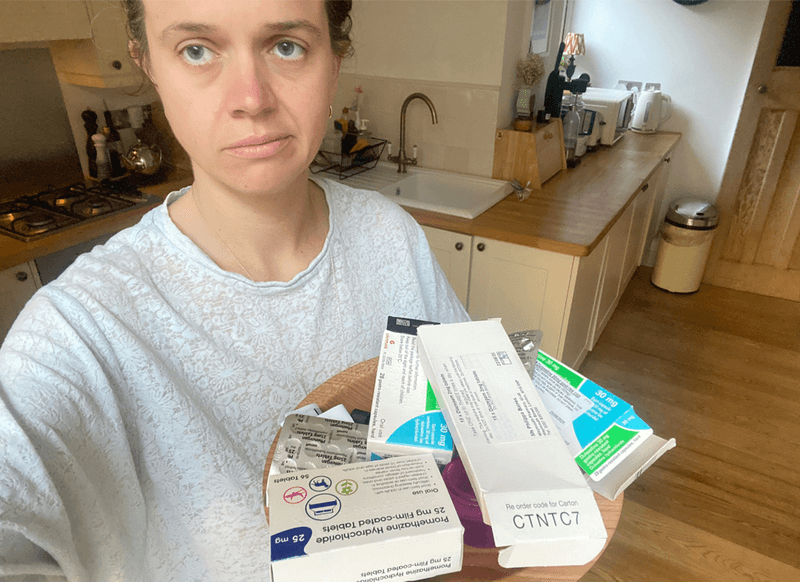
Recurrent thrush can cause permanent vulval nerve damage, yet women receive no warning. Medical bodies have known about the link between severe thrush infections and vulvodynia for years, but prevention strategies remain non-existent. This is one woman's story of preventable disability and why the healthcare system must do better.

Read more
Featured image for Rethinking Comfort in the Speculum Exam Written by a Health Care Professional

Rethinking Comfort in the Speculum Exam

By Dr. Emily Fitch |

Speculum exams are a vital part of women’s health care, but they’re often remembered with dread rather than comfort. Patients deserve agency, providers deserve better tools, and both deserve an exam experience that feels respectful. In this blog, Dr. Emily Fitch explores how comfort can be improved on both sides of the exam and how innovation is helping to reimagine the process.

Read more
Featured image for Menopause and vaginal health: The effects of low oestrogen and what to do about it Written by a Health Care Professional

Menopause and vaginal health: The effects of low oestrogen and what to do about it

By Sarah Henschel |

Menopause is a natural part of life, but it brings changes that aren’t always easy to talk about - especially vaginal health.

Read more
Featured image for Pregnancy-related Pelvic Girdle Pain: it is time to LEARN a NEW tune! Written by a Health Care Professional

Pregnancy-related Pelvic Girdle Pain: it is time to LEARN a NEW tune!

By Dr Sinéad Dufour |

Why do tunes get stuck in our head? We like the tune or maybe we just heard it recently! For the same reason, we get stuck into treatment patterns because they are comfortable and familiar.

Read more
Featured image for Why pelvic pain isn’t all in your head — and what you can do about it Written by a Health Care Professional

Why pelvic pain isn’t all in your head — and what you can do about it

By Alex Frankham |

Pelvic pain is real, not 'all in your head.' Learn from a pelvic pain specialist physiotherapist in Jersey about causes, treatments, and evidence-based strategies to manage chronic pelvic pain.

Read more
Featured image for My journey with levator avulsion

My journey with levator avulsion

By Lyn Leger |

In 2017, I sustained injuries while giving birth to my first child. At the time, I knew things didn’t feel right. I went to see a few different medical and allied health professionals in the hope of someone telling me why I felt the way I did, but no-one did.

Read more
Featured image for Painful orgasm: Understanding and overcoming Dysorgasmia Written by a Health Care Professional

Painful orgasm: understanding and overcoming Dysorgasmia

By Dr Sara Reardon |

Orgasms can be the very welcome grand finale of an intimate experience. But if you’re someone who feels pain instead of pleasure at the peak moment, you’re not imagining it — and you’re not alone.

Read more
Featured image for Lichen Sclerosus

Lichen Sclerosus

By Emma Norman |

I want medical professionals to have training on Lichen Sclerosus and Vulva Cancer. I want leaflets in all surgeries and hospitals. I want children to be taught about Lichen Sclerosus in Sex Education lessons at school.

Read more
Featured image for Vulval cancer

Vulval cancer

By Clare Baumhauer |

Clare Baumhauer is a courageous UK-based advocate who co-founded Lichen Sclerosus & Vulval Cancer UK Awareness alongside Emma Norman. Her story is one of deep resilience, having endured decades of misdiagnosis before finally receiving a diagnosis of lichen sclerosus and vulval cancer in her 30s.

Read more
Featured image for How does strength training impact your pelvic floor? Written by a Health Care Professional

How does strength training impact your pelvic floor?

By Dr Gráinne Donnelly |

If you are a female engaging in any form of strength training from high intensity interval training to hyrox or power lifting, you may have heard conflicting messages about what this could mean for your pelvic floor.

Read more
Featured image for Viva la vulva

Viva la vulva

By Kath Mazella OAM |

At the age of 39, I faced the diagnosis of vulvar cancer, an uncommon cancer usually described as affecting postmenopausal women. Surviving a radical vulvectomy 30 years ago was just the beginning of my journey.

Read more
Featured image for Bronwyn's story - My body is resilient and so am I

Bronwyn's story - My body is resilient and so am I

By Bronwyn Ford |

Bronwyn Ford’s journey with pelvic organ prolapse has been emotional. She describes frustration, sadness, anger and disbelief but on the other side - acceptance, resilience and empowerment.

Read more

Telehealth providers

Specialising in vaginal vulval health

Dr Sinéad Dufour - Physiotherapist specialising in perinatal care, pelvic health and pain science

Physiotherapist specialising in perinatal care, pelvic health and pain science

Canada

Sarah Henschel - Naturopath & Nutritionist, Women's Health Advocate

Naturopath & Nutritionist, Women's Health Advocate

Australia

Dr. Colleen Lind - Certified pelvic health physical therapist

Dr. Colleen Lind

The Vagina Whisperer

Certified pelvic health physical therapist

USA

Kristen Parise - Registered Pelvic Health Physiotherapist, Podcast Host, Conference Creator

Kristen Parise

Blueberry Therapy

Registered Pelvic Health Physiotherapist, Podcast Host, Conference Creator

Canada

Anna Scammell - Women's Health Physiotherapist

Anna Scammell

The Whole Mother

Women's Health Physiotherapist

Australia

Subscribe to our newsletter

Each month, we share evidence-based resources, personal stories, and multidisciplinary insights to support your health journey without shame, without stigma.

We won't sell, or use your information for anything other than sending you the newsletter
Newsletter subscription illustration